Expect the Unexpected
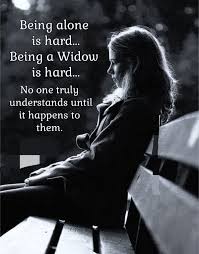
Widows and Widowers many times think the first year is the hardest. Many believed that if they could just survive the first year, things would naturally get easier. But quite often, that isn’t the case.
Grief changes in the second year, and for many, that change brings new challenges they weren’t prepared for.
The First Year
The first year is filled with shock and disbelief, followed by the constant effort of trying to adjust to a new “normal.” The first year is extremely difficult. There are endless practical tasks, paperwork, financial decisions, handling responsibilities alone, and sometimes a quiet withdrawal from social life simply because everything feels overwhelming.
Sadness, anger, guilt, loneliness, even relief… all of these emotions may rise and fall throughout that first year. The problem is, life does not become easier because the new year has begun.
The Second Year
As year two begins, many grievers face a new wave of realization and emotion:
This is my new reality… and I don’t like it.
My loved one is not coming back, and I’m lonely.
Everyone else is moving forward, and I feel stuck.
I feel like the “third wheel” around couples.
Managing my loved one’s responsibilities is harder than I expected.
Seeing happy couples makes me ache with envy.
I’m worried about finances, but I don’t have the energy to work more.
I think my kids are hurting, and I don’t know how to help them.
Is it time to make big life decisions I postponed, like moving or changing jobs?
Will my life ever feel better than this?
The second year can be grueling. This is often when it becomes crucial to find knowledgeable support, whether through a counselor, a trusted friend, or a grief-support community to help sort through these questions and emotions.
More Changes to Expect
In the first year, people around you may have gently lowered their expectations. You may have been excused from hosting holidays, cooking meals, keeping up the house, or maintaining routines.
But as the calendar turns, others may assume you are ready to “bounce back” and resume life as usual.
When grievers can’t meet those expectations—because the heart is still deeply healing—they often feel like they are failing at grieving.
This can lead to discouragement, shame, and a sense of falling further behind.
And Then Come the Secondary Losses
Secondary losses are the ones you don’t see coming in the beginning because the ripple effects of a life forever altered changes everything. These losses often appear during or after the second year of grief.
Loss of Financial Security
Finances may shift dramatically. You may have used savings early on and now realize that strategy can’t continue forever. Supporting yourself and perhaps your family, may feel overwhelming.
Loss of Identity
After the fog of the first year lifts, the question emerges:
Who am I now?
Forms ask you to check a box; Mrs., Ms., single, widowed, and each choice can sting.
Your identity, once tied to a shared life, now feels uncertain.
Friends and family may not understand how grief can linger beyond the first year. Give them grace, they may simply not know what to say, or they may struggle with their own feelings of guilt or helplessness.
Loss of Confidence
Without the steady presence of your spouse—your partner, sounding board, and confidante it’s easy to question whether you’re doing anything “right.” Parenting, finances, home decisions… all of it can feel like too much.
This is a time to learn to ask for help, seek resources, and lean on others when needed.
Loss of Hopes and Dreams
This might be the most painful of all.
The future you imagined traveling together, growing old together, raising children together, sharing daily routines is not the future you are living now.
You now face a present reality you never wanted: life without the person you love.
There may also be losses of routine, structure, traditions, energy, confidence, health, and even faith. Each secondary loss requires its own time to process and heal.
Giving Your Grief a Voice
Grief cannot remain silent.
Talk about your feelings.
Write them down.
Meet with a grief counselor.
Join a bereavement group.
Pray, meditate, reflect.
Cry when you need to, again and again if necessary. Crying is not weakness; it is the body and soul’s way of releasing what hurts.
A New Normal… and Hope
Being a widow or widower is hard in the first year, the second year, and sometimes beyond. It brings a profound shift in every part of life.
But there are ways to work through it. There is support. And there is hope.
You will survive.
And, in time, often slowly, gently, unexpectedly, you may even begin to thrive again.